Space In Our Lives
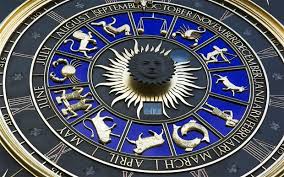 By definition, astrology is defined as “the study of the movements of the stars and planets and their influence on people’s lives.” In some ways, astrology may seem scientific. It uses scientific knowledge about heavenly bodies, as well as scientific sounding tools, like star charts. Some people use astrology to generate expectations about future events and people’s personalities, much as scientific ideas generate expectations. Some people claim that astrology is supported by evidence of instances where astrological predictions have come true in one’s life.
Regardless, there is no doubt that objects in space do have some affect on the human body and planet earth. Such matters in space on which astrology is based on includes:
• Sun
• Moon
• Stars
• Planets
There is concrete evidence that these pieces of matter help nourish the planet and as a result help sustain the life of human beings. However, how much the objects in space actually play apart in how we live our lives cannot be proven and therefore remains to be seen.
It’s All In The Zodiac
The Zodiac signs of which astrology is based upon all derive from the worship of the planets, stars, sun and moon in space. Astrology is responsible for the plethora of daily horoscope columns, Zodiac sign personality profiles, and the annual tabloid predictions given by astrologers each year. Many people ignorantly equate the entire science of astrology with these dubious predictions. The reason for this is because people want to feel like they are part of something bigger than themselves.
Astrology is able to give humans a sense of self-worth and that is really what drives believers of astrology. There are thousands of people with experiences who feel that astrology has worked for them. But even with these trappings of science, astrology really cannot claim to be a scientific way to answer questions.
Where Luck Comes In
Some expectations generated by astrology are so general that any outcome could be interpreted as fitting the expectations. If treated this way, astrology is not testable. How much of astrology is actually derived from the universe and how much is simply luck? People have used astrology to generate very specific expectations that could be verified against outcomes in the natural world. For example, according to astrology, one’s Zodiac sign impacts one’s ability to command respect and authority. Since these traits are important, we might expect that astrology really does explain people’s personalities, likes and dislikes. If used to generate specific expectations like this one, astrological ideas are testable, but again this could all just go back to luck.
Make Your Own Conclusion
A practice that has been around almost as long as earth itself, astrology continues to fascinate people each and everyday. Regardless of where the information is actually derived from, astrology really seems to woo the believers and discourage disbelievers. Astrology uses a set of rules about the relative positions and movements of heavenly bodies. This generatespredictions and explanations for events on Earth and human personality traits.
Astrological predictions have been proven to predict occurrences in one’s future and might align with one’s personality trait. But how do we account for all the inaccuracies that it also presents? Science is really based on fact and can be seen to be cut and dry, right or wrong. Conversely, astrology is not really a scientific way to answer questions. There’s too much inconsistencies and incorrect predictions that really does not warrant astrology to be categorized as a science. Then again, it’s still an on-going debate that may never be quite finished. For now, take the facts as you will and make your own determination!
Helpful link for further reading - http://www.thedailystar.net/op-ed/is-astrology-science-or-pseudoscience-37018

